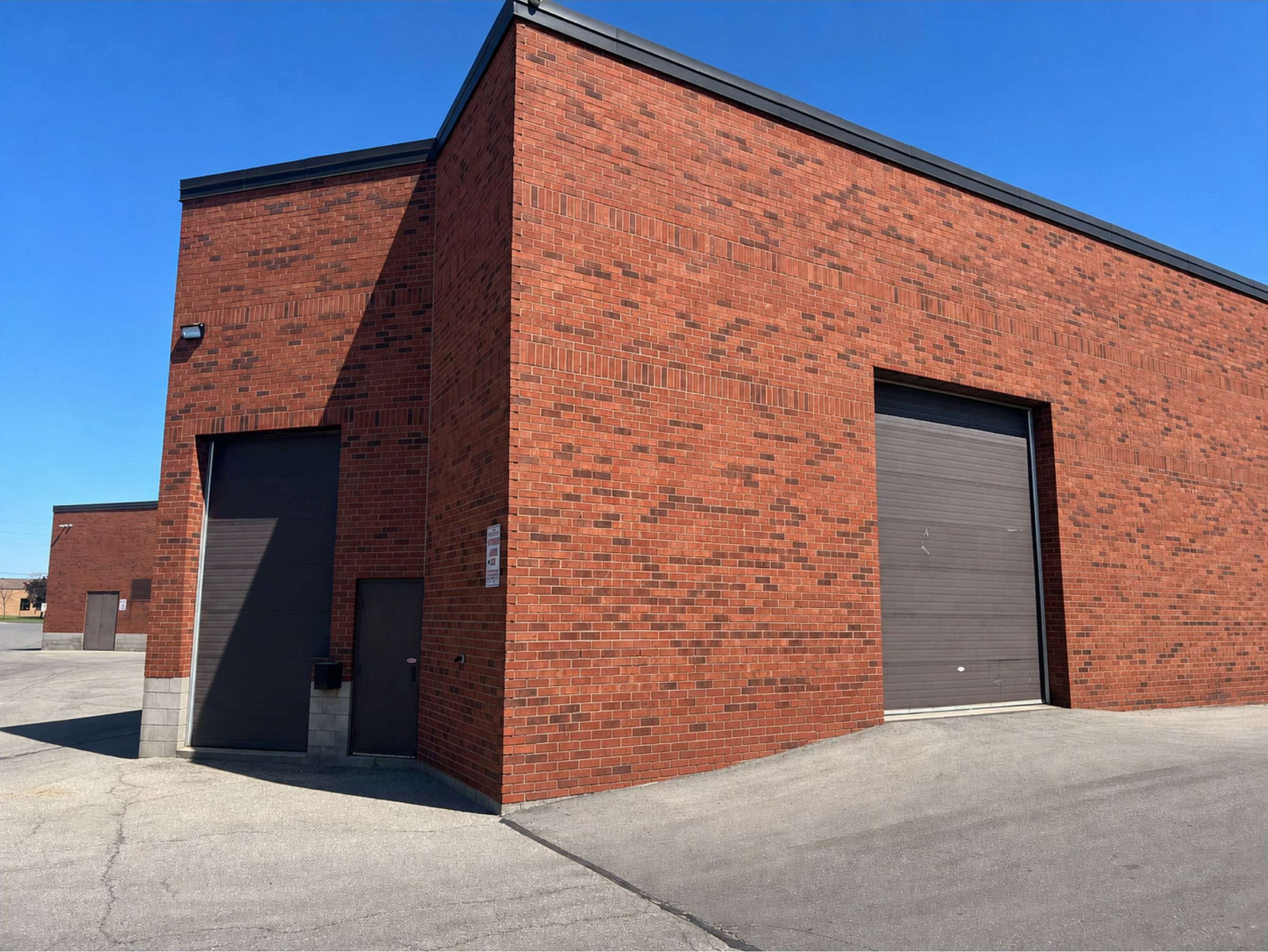
Exterior of Fulcrum’s pilot facility in Mississauga, Ontario.

Pilot facility · Mississauga, Ontario

A pilot facility to advance metal recovery from historic mine waste

Fulcrum is establishing a standalone, multi-project pilot facility to test Extrakt’s cyanide-free technology and recover precious and critical minerals from mine-waste. The first programme will use material from our Teck-Hughes project.

Facility status Site secured Fit-out and commissioning under way Location Mississauga pilot facility, Greater Toronto Area First programme Teck-Hughes project
12,526 square-foot leased facility
2.4 t/day maximum design capacity
~600 kg planned batch size
Teck-Hughes first planned programme

Capacity, batch size and timing are targets and remain subject to commissioning and programme requirements.

Why the pilot matters

A bridge between laboratory work and project decisions

Our pilot programme is designed to test how laboratory recovery results perform with larger batches under representative operating conditions.

The work will begin with material from our Teck-Hughes project and is designed to generate metallurgical, operating and engineering data: how consistently metals are recovered, how solids are dewatered, and how water and reagents can be managed and reused. Those results can inform the next stage of resource, engineering, permitting and commercial-development work.

Laboratory

Recoveries

Initial metal recoveries and flow sheet

Fulcrum standalone pilot

Flotation / Cyanide-free leaching / Dewatering / Water and reagent recovery and reuse

Validate

Recovery and repeatability

Optimise

Data and flow sheet performance

Scale up

Engineering and economic inputs

Deploy, repeat

Commercialise

Build and operate
Partnerships / JVs

01 / FIRST CAMPAIGN

Start with Teck-Hughes

The first pilot programme will use material from Fulcrum’s Teck-Hughes project.
02 / PROJECT DATA

Build project data

Metallurgical and operating results are intended to inform engineering and development decisions for the project.

03 / FURTHER MATERIALS

Build beyond the first campaign

The facility is designed to support evaluation of other mine-waste opportunities, including Sylvanite and potential third-party projects.

Metal recovery optimisation

What Phase 3 laboratory testing has shown at Teck-Hughes

Phase 3 laboratory work on selected Teck-Hughes material reported recovery of more than eight metals alongside a short leach cycle, rapid dewatering and water and reagent recovery for reuse. The results below are from laboratory tests; the pilot programme is intended to evaluate the process at a larger scale.

78% maximum gold recovery
95% maximum silver recovery
96% maximum tellurium recovery
~80% water and reagents recovered for reuse

Reported maximum recoveries by metal

Maximum recoveries reported from Phase 3 laboratory test work on selected Teck-Hughes material.

Precious metals
Base metals
Strategic metals

Critical mineral-focused test results

Selected recoveries from a separate test programme, shown alongside the Phase 3 comparator and optimised results for gold, silver and tellurium.

Critical mineral test (~60 μm) Phase 3 comparator (~60 μm) Phase 3 optimised (~55 μm)
Precious and strategic metals
Additional metals

* The 84% silver and 85% tellurium figures are historical Phase 3 benchmarks; the approximately 64% gold comparator is inferred. Comparisons are indicative. Further testing is required to assess the recovery and potential significance of additional metals.

All figures are laboratory results from selected material, not pilot-scale or commercial results, and may not indicate future performance. Phase 3 testing reported a leach cycle of about six hours, dewatering in less than one minute, and approximately 80% of water and reagents recovered for reuse. Further work is required to optimise gallium recovery.

EXTRAKT TECH POWERING FULCRUM'S PILOT

More metals, recovered faster

Phase 3 laboratory work on Teck-Hughes material reported gold recovery alongside a short leach cycle. The pilot programme will assess how these results perform with larger batches and under integrated operating conditions.

MORE METALS

Up to

78%

GOLD RECOVERY

Teck-Hughes / Extrakt1 78%
Sylvanite / Cyanide2 c.30%

FASTER RECOVERY

6 hours

LEACH CYCLE

Teck-Hughes / Extrakt1 <6 hours
Sylvanite / Cyanide2 24+ hours

INTEGRATED EFFICIENCY

<6 hours
leach cycle

<1 minute
dewatering

Recover
metals

~80% water
and reagent
recovery

Extrakt
Recycling and rapid solids separation
  1. Teck-Hughes Phase 3: laboratory dewatering and simulated water/reagent recycling; subject to pilot validation.
  2. Sylvanite historical cyanide testing (29–52% Au). Both projects lie along the Kirkland Lake Main Break; different materials and conditions, not a direct comparison.

First programme · Teck-Hughes

From project material to a better-informed development plan

The initial campaign is expected to process approximately 12 batches of Teck-Hughes material over about four weeks. The programme is designed to test process performance and generate information that can guide the next engineering and development decisions.

Pilot facility Drone view · Mississauga, Ontario
  1. 01

    Prepare the feed

    Handle and process representative Teck-Hughes material in planned batches.

  2. 02

    Run the flowsheet

    Test cyanide-free leaching and operating parameters under integrated conditions.

  3. 03

    Manage solids and solutions

    Evaluate dewatering and the recovery and reuse of water and reagents.

  4. 04

    Use the data

    Inform resource work, engineering, permitting and future commercial decisions.

The batch count and programme duration are expected targets. Outcomes will depend on commissioning, feed characteristics, test results and project-specific work.

Teck-Hughes • Sylvanite • Building the Kirkland Lake foundation

The first projects to prove the model

Teck-Hughes and Sylvanite are legacy tailings projects in Ontario’s historic Kirkland Lake gold camp, approximately three kilometres apart. Historical estimates put their combined tailings at about 10.7 million tonnes.*

Teck-Hughes is the first planned feed for the pilot. The programme is intended to generate operating data; Sylvanite offers a nearby second project where that learning could be assessed in a later programme, subject to results, material characterisation and programme agreements.
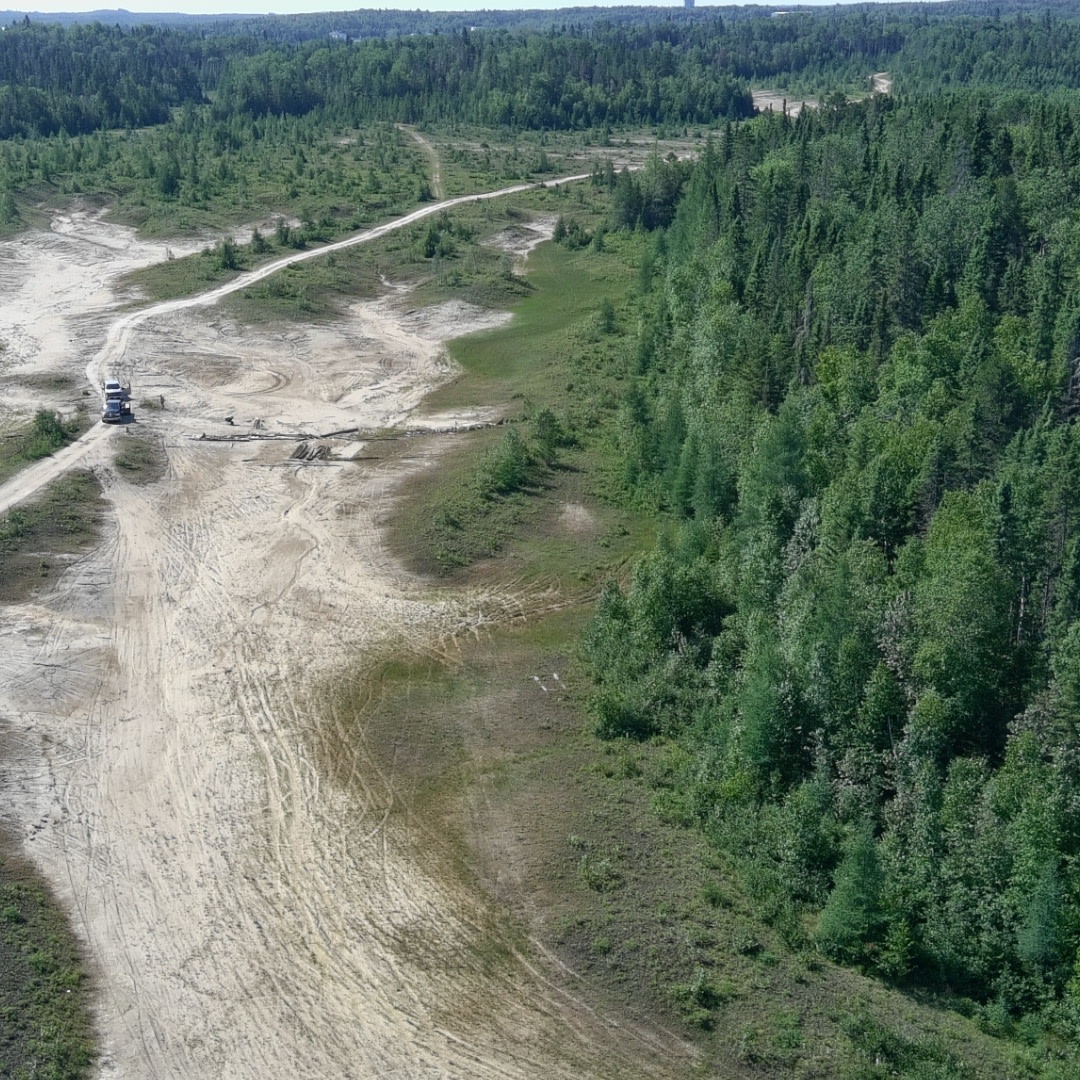
Teck-Hughes tailings project site.

Teck-Hughes — 6.5 million tonnes estimated*

Phase 3 laboratory work on selected Teck-Hughes material reported multi-metal recovery potential. The first planned pilot programme is intended to test the flowsheet at a larger scale and generate integrated operating data.
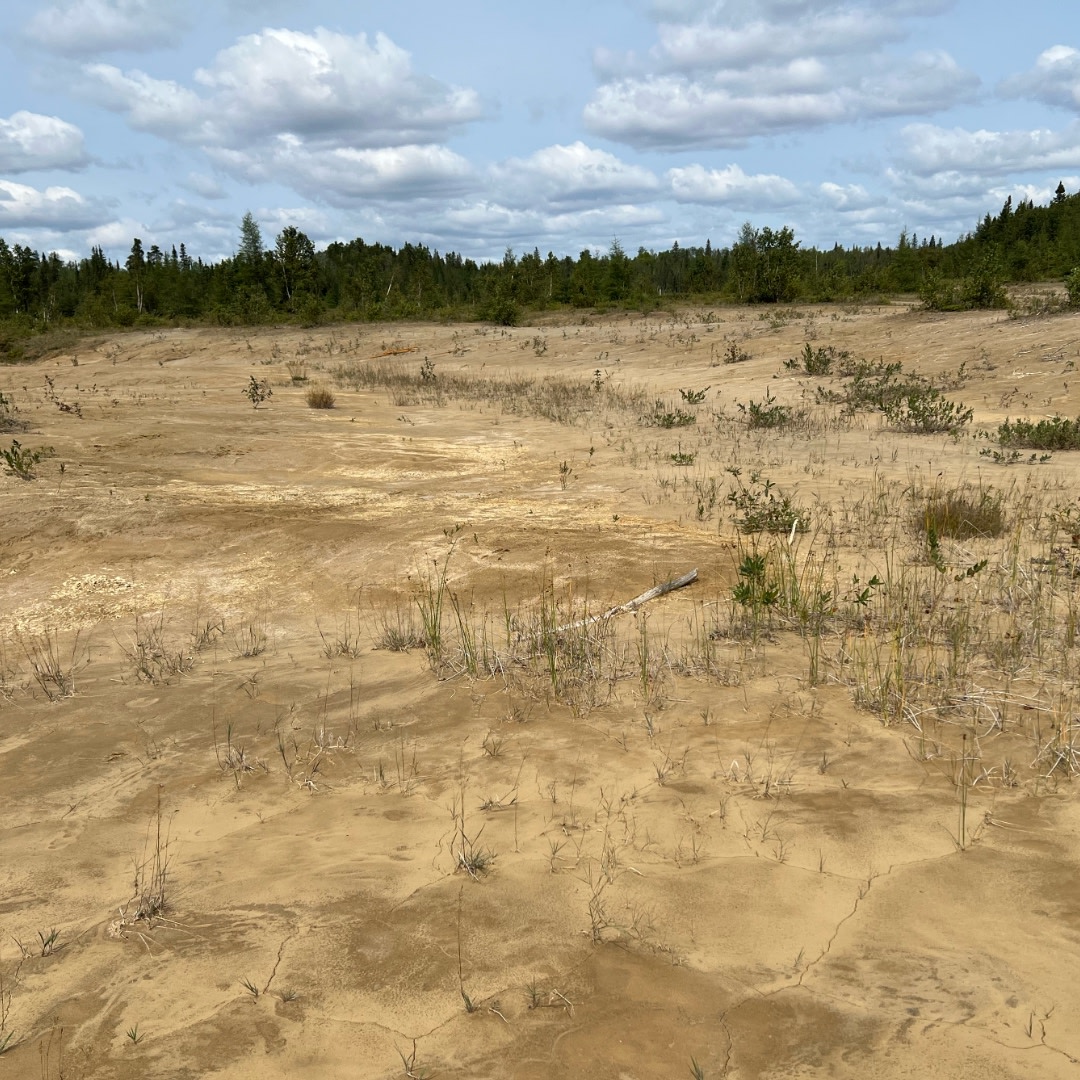
Sylvanite tailings project site.

Sylvanite — 4.2 million tonnes estimated*

Sylvanite could provide a second setting to apply and extend pilot learning. Its future role may be assessed as a standalone development or as part of a combined Kirkland Lake hub; no pilot outcome or development decision is assumed.

* Historical tailings tonnage estimates are to be verified. Pilot results, economics, permitting and future development decisions remain subject to testing and project-specific work.

Indicative roadmap

A staged path from commissioning to project decisions

  1. Now

    Facility delivery, fit-out and commissioning readiness.

  2. Q1 2027 target

    First pilot programme using Teck-Hughes material.

  3. Q2 2027 target

    Review results and optimise the flowsheet.

  4. H2 2027 target

    Assess further pilot programmes and engineering inputs.

  5. 2028 target

    Commercial development decisions, subject to results and project work.

Indicative targets from the draft roadmap, not commitments. Timing and outcomes depend on pilot results, resource definition, engineering, environmental studies, permitting, financing, commercial agreements and regulatory approvals. A commercial decision is not assured.

Latest news

Latest from Fulcrum

Follow Fulcrum Metals move to commercial deployment

Receive our latest news as Fulcrum Metals advances our regional project pipeline:

SUBSCRIBE NOW